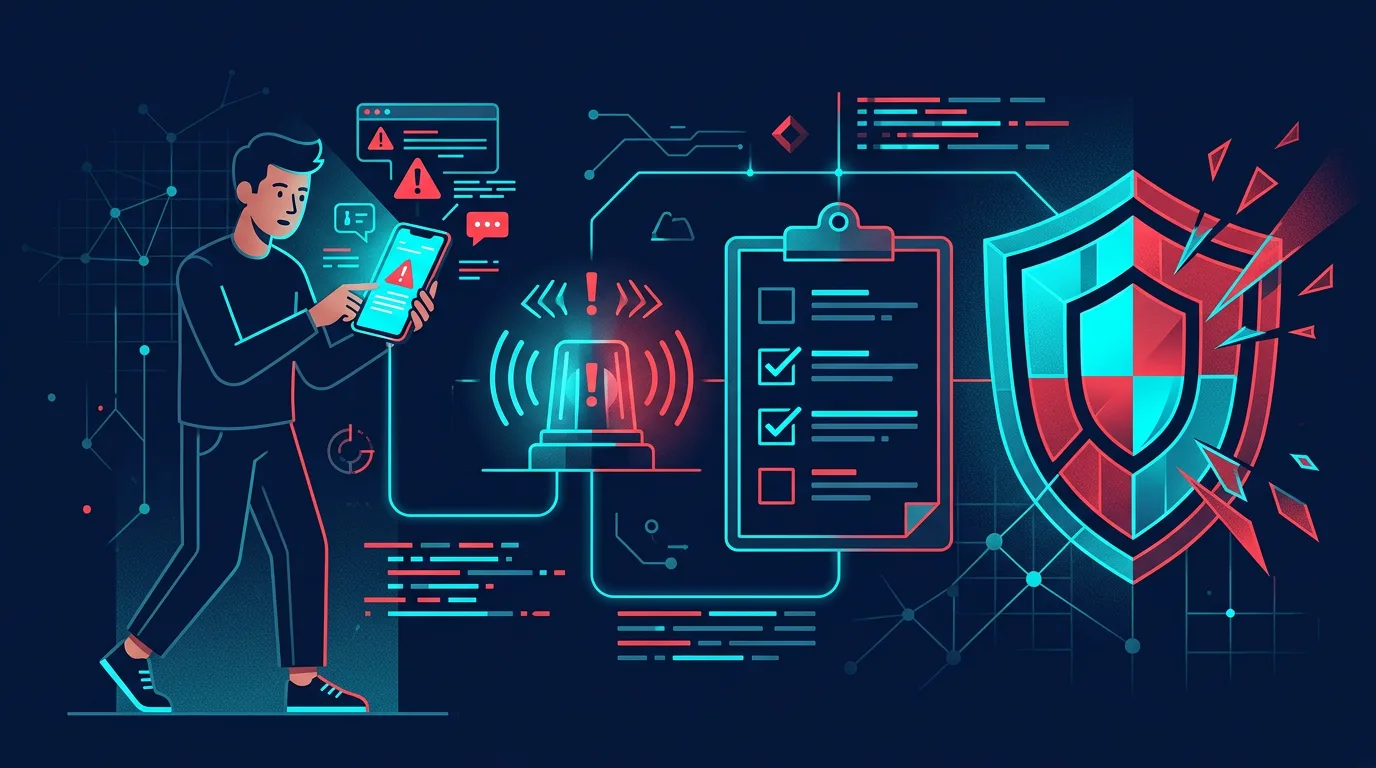
A breach message can make you want to change every password at once. Pause for a moment. First separate an official notice from phishing, then secure the accounts that open the most paths to other accounts. An ordered response helps you work with a clear head. A breach does not always mean your account has been taken over. It is also not a reason to ignore the notice. Data such as an email address, phone number, home address, or old password can make the next scam look convincing.
Confirm that the notice is real
Do not click a link in a message designed to frighten or rush you. Enter the service address yourself or use the official app. Look for an announcement in the help centre, status page, or an email you can match from inside the account. An official notice usually explains the data involved, the incident period, and recommended steps. A message asking for an OTP, payment, or password to “secure your account” deserves suspicion.
Secure the main entry points
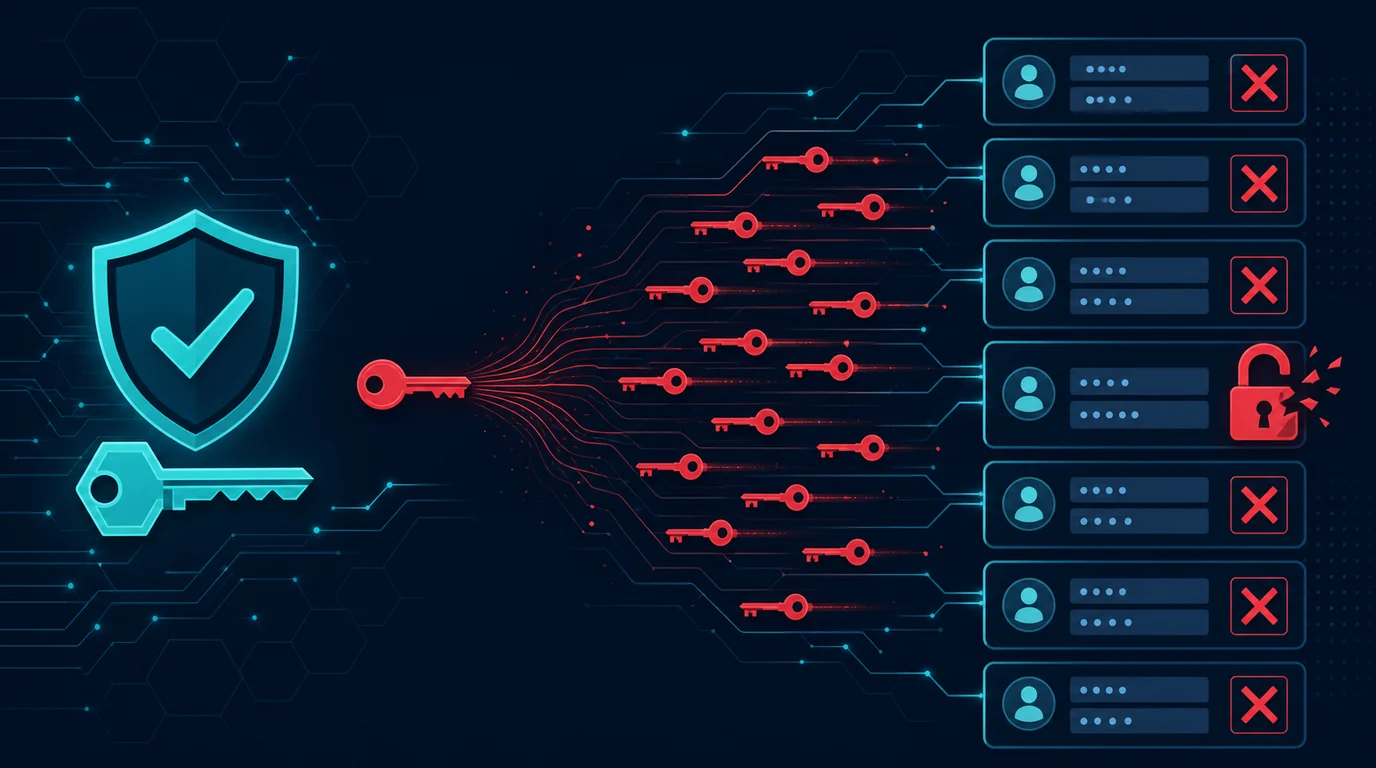
Start with your main email, password manager, and mobile carrier account. Replace a leaked password with a unique one. If you reused it elsewhere, change every use, not only the service involved in the incident. Enable MFA with an authenticator app or passkey when available. Review recovery email, phone number, signed-in devices, forwarding rules, and active sessions. Revoke access you do not recognize.
Protect money and identity
If financial or identity data was involved, contact the bank using the number on your card or in its official app. Ask about transaction monitoring and block instruments that need blocking. Check small transactions too because criminals may test a card with a low amount. Expect calls claiming to be from a bank, courier, carrier, or the affected service. Leaked data can tell a scammer your name and services. They still do not need your OTP or PIN.
Keep an incident record
Write down the service, notice date, data types mentioned, actions taken, and case number. Keep the original message without forwarding its links. A record shows which accounts are secured and gives you a clean timeline if you need to report the event. If you experience a fraudulent transaction or takeover, report it through official channels in your country and to the provider. Do not pay an unverified person who promises account recovery. Victims are often targeted a second time.
Monitor after the urgency passes
For the next few weeks, review logins, transactions, bills, and reset messages. Turn on transaction and login notifications. Remove an old phone number or address from a profile when it is no longer needed, but keep evidence until you have recorded it. The breach may sit with the provider, but account recovery is in your hands. Focus on recovery routes, reused passwords, and requests that arrive after the breach news. An orderly response leaves less room for the next attack.