Someone needs cash fast for a medical bill. An app promises disbursement in five minutes with no collateral and no payslip. They install it, approve every permission request because the app will not run otherwise, and the money genuinely arrives that day.
What they do not know: the app just copied their entire contact list. When payment runs two days late, hundreds of numbers in their phone receive a message naming them as a fraudster. Their boss, their in-laws, university friends, everyone.
Legitimate online lending operates under financial regulator supervision with clear rules on interest, collection conduct, and what data a lender may access. Illegal apps operate outside all of it. Their business model is not collecting debt but using your shame as leverage.
Why illegal apps request permissions that make no sense
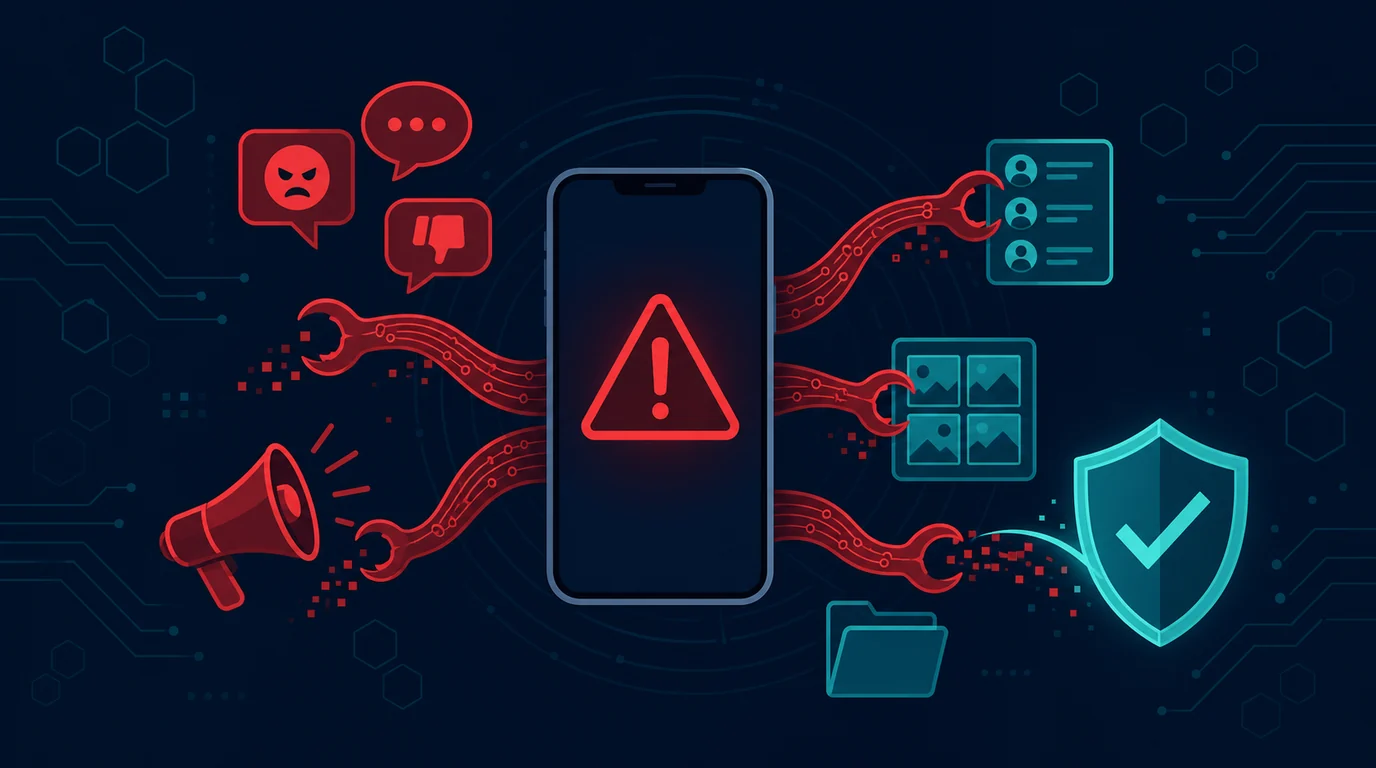
Legitimate credit assessment needs identity, income, and credit history. None of that requires access to your contact list. When a lending app requests contacts, microphone, gallery, camera, precise location, and your installed app list all at once, the request is not about evaluating your creditworthiness. It is about building hostages.
Contacts are the primary target. The app copies every name and number in your phone book the first time you open it, long before you miss a payment. That data uploads to their servers and stays there permanently. Deleting the app does not delete their copy.
Gallery and storage access hands them personal photos, ID card images, and screenshots that may contain account details. Some operations use those photos to create edited images and distribute them to your contacts. An app claiming it only needs a photo for face verification can read your entire gallery once you grant full storage permission.
Your installed app list tells them which other lending apps you use. This information gets traded between operators, which explains why installing one illegal app suddenly brings offers from dozens of similar ones. You have joined a circulating target list.
SMS access lets them read OTP codes, bank transaction alerts, and your balance. This moves past debt collection into account takeover territory. No lending app has a legitimate reason to read your text messages.
How collection harassment escalates
Stage one starts before the due date. Collectors call to "remind" you in a friendly tone, but at high frequency. The goal is to establish that they can reach you at any hour and to normalize the pressure.
Stage two targets the people around you. Collectors contact your emergency reference, then spread to your whole contact list. Messages typically accuse you of fraud, state the debt amount, and ask the recipient to pressure you into paying. Some attach your photo. They are not seeking payment from those contacts; they are manufacturing your humiliation.
Stage three uses direct threats. Messages contain threats of violence, threats to distribute private photos, or fake notices carrying legal agency letterheads. Some send counterfeit court summonses or claim they have already filed a police report. These documents have no legal standing, but they are built to make you panic and pay without checking.
Interest and penalties are structured so the debt never closes. Illegal apps deduct large administrative fees up front, so the money you receive falls well below the loan amount while the debt is calculated on the full figure. Terms are very short, often seven days, with daily penalties that compound fast. Many borrowers pay several times what they received and are still recorded as in arrears.
Some operations offer a solution: a loan from another app to clear the first. The second app usually belongs to the same network. That is not an exit, it is a deeper trap.
Checking whether a lender is licensed
Check the official regulator list. In Indonesia, the Financial Services Authority (OJK) publishes and regularly updates a list of licensed fintech lending providers. Visit ojk.go.id and search for the operating company's name rather than the app name, since one company may run several brands. If the name is absent, stop there.
Contact the regulator to confirm. OJK consumer services can be reached at 157 or through their official WhatsApp channel. Asking about a provider's status before you install costs far less effort than dealing with the aftermath.
Read the permission requests before approving. Licensed lending apps on Android may only request camera, microphone, and location access under current rules. Requests for contacts, SMS, or full storage are strong indicators the app is illegal. Cancel the installation at that point.
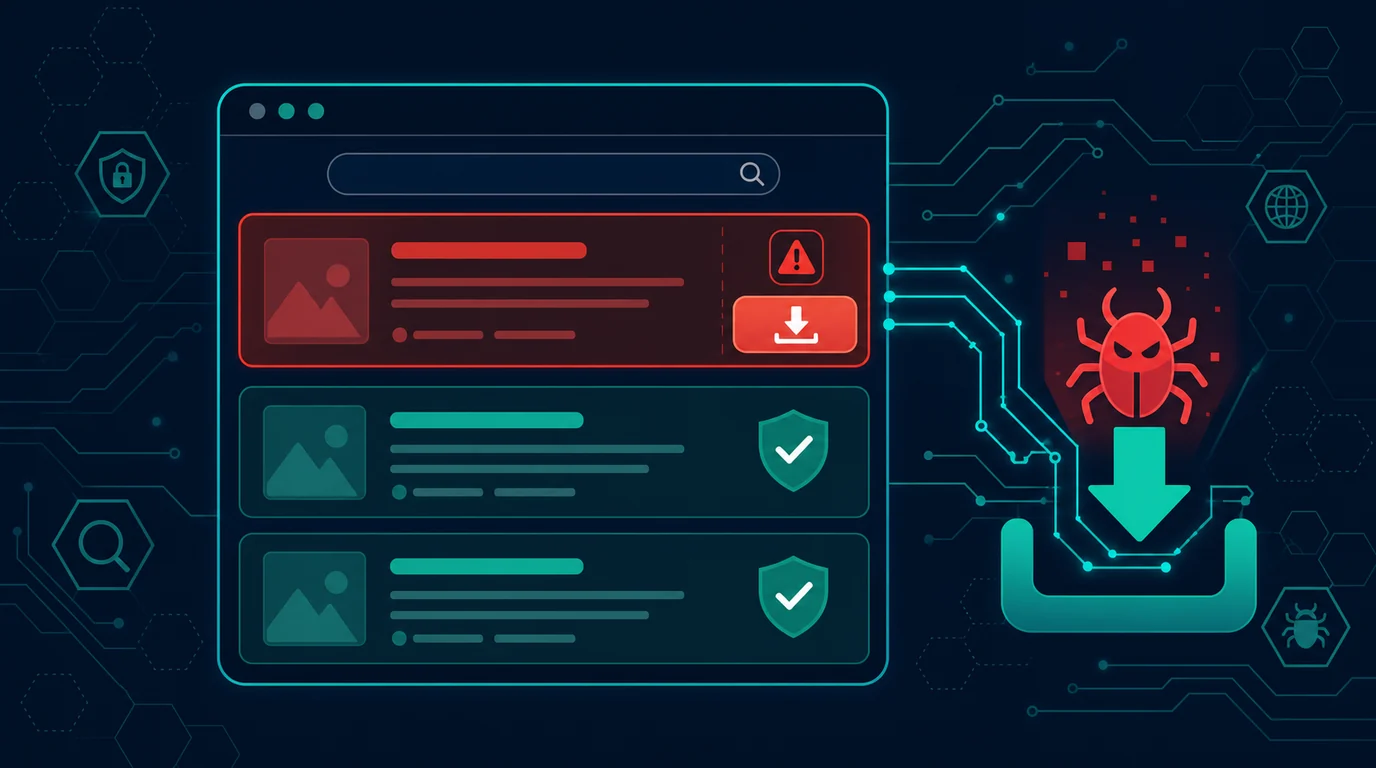
Watch the distribution channel. Illegal apps commonly spread through links in text messages, social media ads, or APK files sent directly, because they fail official store review. Any financial app downloaded outside Google Play or the App Store is a reason to stop.
Check fee transparency. Licensed providers state total costs, interest, penalties, and term clearly before you agree. An app that reveals deductions only after disbursement, or refuses to provide written details, is hiding something.
Look at company identity. Licensed providers have a real office address, a working customer service line, and a registered legal entity you can look up. An app with only a social media account and a WhatsApp number does not deserve your data.
Locking down permissions on your phone
Revoke permissions you already granted. On Android, open Settings, then Apps, select the app, go to Permissions, and turn everything off. On iOS, open Settings and select the app. Revoking does not recall data already copied, but it stops further collection.
Audit contact permissions across every installed app. Android has a Permission manager that lists apps by permission category. Open the Contacts category and review everything. Any app without a clear reason to read your phone book should lose that access, not just lending apps.
Uninstall the app completely, then restart your phone. Some illegal apps run background services that persist. Confirm the app is gone from your installed list and from the device administrator list in security settings.
Consider changing your number if harassment continues. It is disruptive, but it cuts their main channel. Before switching, migrate all important accounts to the new number and make sure account recovery is not locked to the old one.
Block and report aggressively. Block every collector number that calls. On WhatsApp, use block and report. They have many numbers, but blocking still reduces volume and builds a reporting trail.
Protecting yourself once collection starts
Tell your contacts first. This feels humiliating and it works. Send a short message to family, colleagues, and your manager explaining that you are entangled with an illegal lending app and they may receive messages accusing you of things. When the collector's message arrives, its main weapon is already blunt. Shame only works while you stay silent.
Preserve evidence systematically. Screenshots of threatening messages, call recordings, transfer history, screenshots of the app screen showing interest and penalties, and the messages sent to your contacts. Store them in cloud storage rather than only on your phone. You will need this to file reports.
Report to the financial regulator and the illegal finance task force. In Indonesia, the Satgas PASTI task force accepts reports on illegal lending apps, and OJK takes reports at 157. Your report supports blocking the app and freezing its collection accounts.
Report threats to the police. Threats of violence, distributing personal data, and defamation are criminal offenses regardless of your debt status. Personal data protection violations can also be reported to the Ministry of Communication and Digital Affairs. Bring the evidence you collected.
Understand your legal position. A loan agreement from an unlicensed provider rests on weak ground, and collection through threats is a separate violation on its own. Owing money does not remove your right to safety. For large amounts or serious threats, consult a legal aid organization; many offer free services.
Do not borrow again to cover the loan. This is the pattern that keeps victims trapped for months. Stop where you are, total up what you have already paid, and put your energy into reporting rather than into a payoff that will never arrive.
Telling licensed providers from imitators
Illegal apps often copy the look and naming of licensed providers. The differences show up in things they cannot fake cheaply.
Licensed providers display their regulator license number inside the app and on their website. You can match that number against the official list. An app showing only a regulator logo as an image, with no verifiable license number, is borrowing credibility it does not have.
Look at the term length and interest structure. Licensed providers operate under caps on daily interest and total cost set by the regulator. An offer with a seven-day term and thirty percent deducted up front sits far outside those limits. If the numbers look impossible for a rule-following lender to profit from, that is not the business model.
Test customer service before borrowing. Send a simple written question about the fee breakdown. Licensed providers respond with documentation. Illegal operations avoid written statements, redirect you to a phone call, or push you straight to completing the application.
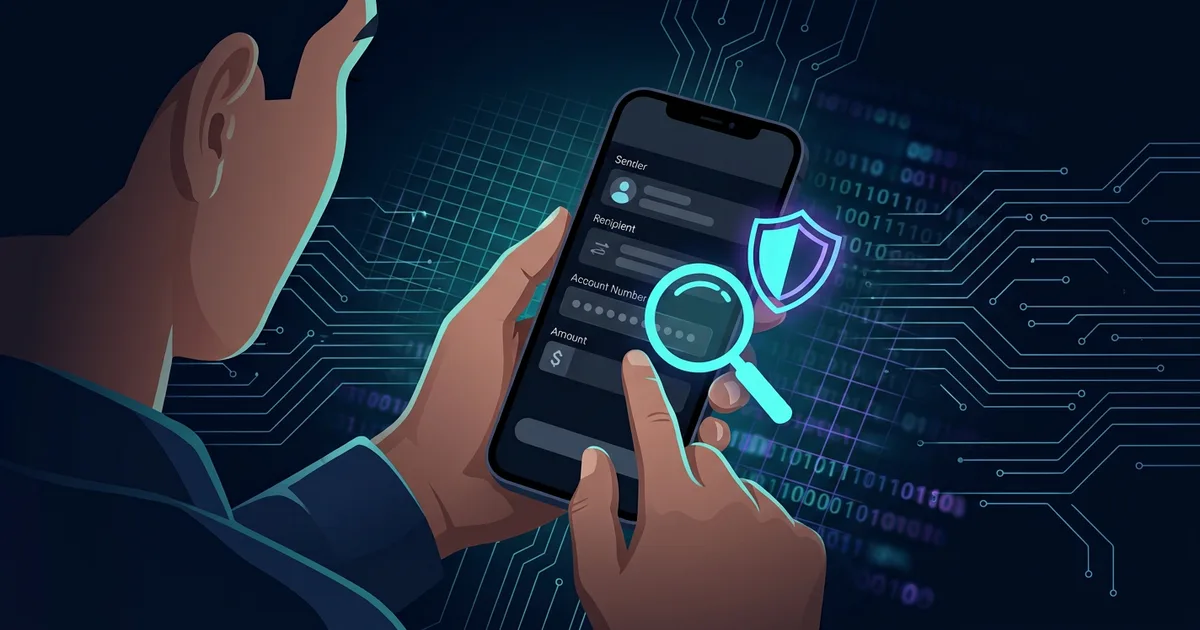
Watch how they request your data. Licensed providers collect information through structured forms that explain the purpose of each field. Illegal operations ask you to send ID card photos over WhatsApp, request selfies holding your ID to a personal number, or ask for direct access to your bank account. Data sent through personal channels carries no protection trail at all.
Look for reviews outside the app store. Store page reviews are frequently manipulated with fake accounts. Search the company name on the open web and social media, then read reports from real users. Patterns of complaints about threatening collection appear long before an app gets blocked.
Recovering after the harassment stops
Repair the relationships that were damaged. Contacts who received collection messages may still hold a false impression. Give a short explanation to the people who matter to you, particularly your manager and colleagues. Most people understand once they know the situation, and many turn out to have experienced something similar.
Check whether your data surfaces elsewhere. Illegal operators sell borrower databases between networks. Search for your name and number, and watch for unsolicited new loan offers. A surge in offers signals your data is circulating.
Change account numbers if you granted access. If the app requested internet banking credentials or you handed over card details, contact your bank to reissue the card and change credentials. Data already collected does not stop being used just because collection calls stopped.
Build a small emergency fund gradually. Most people get trapped because they had no buffer for a sudden expense. Saving small amounts consistently, even the equivalent of one day's spending per week, creates distance from emergency decisions. This is not a fast fix, but it removes the main reason people return to these apps.
Learn your alternatives before the next emergency. Cooperatives, banks with microloan products, workplace assistance programs, and family loans are all slower but none of them hold your data hostage. Research what is available near you while you do not need it, because searching in a panic produces bad decisions.
Helping someone else who is trapped
If you receive a collection message about someone else, do not forward it. Spreading that message is exactly what the collector wants. Delete it, block the number, and contact the person privately to let them know.
Offer help without judgment. Most borrowers get trapped through urgent need rather than lifestyle spending. Lectures make them withdraw and delay reporting. What helps: assist with gathering evidence, go with them to file reports, and help audit permissions on their phone.
Recognize the signs in people close to you. Sudden changes in how someone answers calls, hiding their screen, repeatedly borrowing small amounts, and rising anxiety often appear before they say anything. Asking directly and calmly beats waiting.
When collection reaches your workplace
Some operations specifically target work environments because the pressure there works best. They call office numbers, contact human resources, or message your manager with accusations designed to threaten your job.
Talk to your manager first. This feels heavy and it almost always beats letting them hear the collector's version. Keep it brief: you got entangled with an illegal lending app, they are spreading accusations to your contacts, and you are handling it through official channels. Most managers have heard of similar cases.
Ask HR to screen the calls. Companies can block numbers and refuse to route collection calls to you. Some have written policies covering this because the situation is common enough.
Understand that personal debt is not lawful grounds for dismissal in most situations. Accusations from an illegal collector prove nothing, and the defamation they commit is itself actionable in your favor. If workplace pressure escalates, document the incidents and consider legal advice.
Do not borrow from colleagues to clear the debt. That moves the problem into your professional relationships and usually widens the damage. If your company runs an employee loan program or a cooperative, that official route is far better.
The short version
Illegal lending apps are not selling loans. They are selling fast access to cash at the price of your entire phone book and their standing permission to humiliate you at will.
Check the provider's name against the regulator's licensed list before installing anything. Refuse any lending app that requests contacts, SMS, or full storage, because licensed providers are not allowed to ask. If you are already trapped, tell your contacts first, gather evidence, then report. Shame is their main tool, and you can take it out of their hands.