Sextortion is blackmail that uses threats to distribute photos, videos, private conversations, or recordings that are made to appear as if they belong to the victim. Perpetrators ask for money, additional images, account access, or other actions as a condition for them not sharing the material. The form of the threat changes, but the pattern remains the same: the perpetrator creates panic, limits thinking time, and then tries to get the victim to act on their own.
This situation can happen to anyone. Perpetrators can start from social media accounts, friendship applications, games, email or short messages. Some build conversations over several days. Some send threats within minutes of obtaining a single photo or after hacking an account. Some use manipulated images or cropped screen recordings to create the impression that they are holding more material than they actually are.
The victim is not responsible for the blackmailer's actions. Embarrassment often makes someone delay getting help, even though calm first steps can reduce the perpetrator's room for action. This article discusses how to respond without increasing exposure, how to secure your account, and how to find safe support. The discussion deliberately focuses on protection and handling, not on the details of personal material.
Recognize extortion patterns before making a decision
Perpetrators often use fake identities that look plausible. They may use stolen profile photos, follow some of the same accounts as the target, or claim to live in a nearby city. Once a conversation is established, they suggest switching to another app that makes it easier to record the screen or delete the message. At some point, they ask for personal material, send fake material first, or direct the victim to a link.
Another pattern starts with a hijacked account. The perpetrator logs into email, social media, or cloud storage, then finds photos and contact lists. They send a message saying that all contacts will receive the materials if the victim does not pay. The threat looks credible because the perpetrator actually showed several names of friends or screenshots of follower lists.
There are also scams that do not use original material. Perpetrators send manipulated images, video clips, or screenshots of fake conversations. They hope the victim panics and sends money to prevent something that doesn't exist yet. Don't make decisions based on one message or one picture from the abuser. Check your own account, see what materials are actually there, and ask a trusted person to help assess the situation.
Red flags to look for include requests to quickly switch platforms, inducements to turn on the camera, prohibitions against telling anyone, promises that messages will disappear, requests for login codes, as well as very short payment deadlines. Abusers use time limits to reduce your chances of seeking help. The urgency in a message does not mean you have to comply.
Don't pay and don't send more material
Paying does not give you control over the copies in the perpetrator's hands. Perpetrators may ask for future payments, use proof of payment to assess your ability to pay, or continue distributing the material. Sending photos, videos, or additional information also does not guarantee the threats will stop. Each response provides the perpetrator with materials, time, or a clue that their pressure is working.
This doesn't mean you should abandon everything without a plan. Take a few minutes to safely disconnect. Don't open any more links from the perpetrator. Don't install the apps they ask for. Don't provide OTP codes, passwords, account numbers, or location information. When you are on a call, hang up. If the perpetrator contacts you through multiple accounts, do not try to negotiate with each account.
If you've already sent money or personal materials, the next steps remain the same: stop communications, secure the account, preserve evidence, and seek help. Many victims feel they have to keep responding because they have already done something. The blackmailer exploits that feeling. You can stop the pressure at any point.
Preserve evidence without distributing material
Before blocking an account, preserve enough evidence for a report. Take a screenshot of the username, profile URL, phone number, content of the threat, time, payment method requested, and digital wallet address or account provided. Save the original message if the application allows. Note the platform used, the file name, and who might receive messages from the perpetrator.
Avoid forwarding personal material to friends to ask for opinions. Each submission creates new copy and can expand exposure. If you need to show evidence to an escort, officer, or platform, use the channels they provide and send only the required parts. For sensitive images, explain their existence first before sending the file. Many reporting processes can start from URLs, account names, and threat text.
Create an evidence folder that has limited access. Name the file based on the date and source, for example "2026-07-07_message-account-x_01.png". Simple notes make it easy to explain the timeline without revisiting messages over and over again. If your phone is unsecured or shared, move your notes to a device you trust or ask someone you trust to save them.
Don't delete your account in a panic before saving important data and checking security options. Deactivating an account may be useful later, but quick deletion can destroy evidence, make it difficult to report, or give the perpetrator a chance to use the same username. Choose the next step based on the platform and the current risk.
Close the attacker's entry points
If the threat comes from a hacked account or the perpetrator knows your personal details, secure the central account first. Start with the main email as it usually accepts recovery links for social media, photo storage and other services. From a device you trust, change your email password to a new, long, unique password. Check signed-in devices, recovery email addresses, recovery phone numbers, forwarding rules, filters, and connected third-party applications.
Email forwarding rules are worth checking because perpetrators can add their address to receive a copy of your messages. They can also create filters that hide security notifications. Delete rules you don't recognize. Look at your sent, archive, and trash folders to see if the perpetrator contacted anyone else or tried to erase traces.
After email, secure social media, cloud storage services, messaging apps, and accounts that hold payment methods. Use a different password for each account. Enable app-based two-factor authentication or passkey if available. Exit any sessions or devices you don't recognize. If the platform provides a list of permissioned apps, revoke access to services you don't use.
Check the security of your phone number. Contact the operator via the official number if the signal suddenly disappears, you receive a SIM replacement notification, or verification codes no longer arrive. Ask about account PINs or additional protection for card changes. Telephone numbers controlled by the perpetrator can be used to restore multiple accounts via SMS.
Report on the right platform
Large platforms typically provide reporting options for blackmail, threats, impersonation, intimate images without consent, or hacked accounts. Use the category closest to your situation. Include the account URL, time of incident, and screenshot of the threat if the form requests it. Explain the facts briefly. Avoid entering unnecessary information on public forms.
Clear reports help platform teams link perpetrator accounts, messages, and materials. If the perpetrator creates a new account after being blocked, add new evidence to the same report if the system supports it. Save the ticket number or confirmation email. The platform may ask for further verification, but they will not ask for a password, OTP, or payment to follow up on a report.
If personal material has already been uploaded, request removal via intimate content channels without consent or invasion of privacy. Some services provide special tools to help prevent re-uploads. Read the terms of the tool and make sure you are on the official site of the platform. For children and young people, certain reporting services have different procedures. Involve a trusted adult as soon as possible.
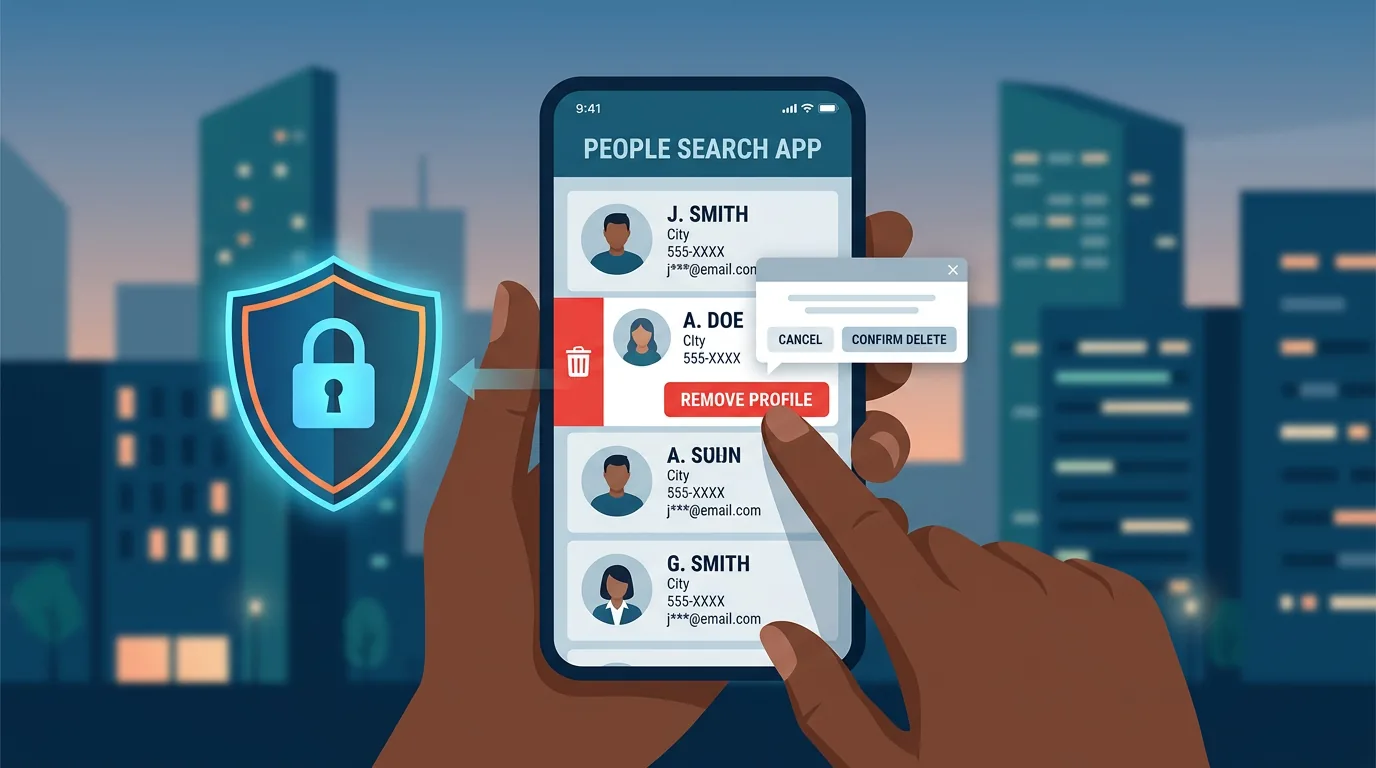
In Indonesia, victims can preserve evidence and seek reporting channels that match the form of threat. If there are physical threats, extortion, account theft, or distribution of content without consent, consider contacting appropriate law enforcement officials. You can also use official content reporting channels if there are uploads on digital platforms. Don't rely on social media accounts that claim to be "take down services" and ask for an upfront fee.
Notify people who can help
Extortionists rely on isolation. Choosing one calm person to understand the situation can change the way you make decisions. Choose a close friend, family member, teacher, counselor, or coworker who can maintain confidentiality and focus on action. Start with a simple sentence: "There is someone threatening me on the internet. I need help saving evidence and securing my account." You don't have to explain all the details at once.
A companion person can help you read messages without you having to look at them over and over again, keep track of your timeline, accompany you when you contact the platform or bank, and make sure you eat and rest. If the threat affects work or school, consider notifying appropriate parties on a limited basis. You can ask them to watch out for fake messages or impersonated accounts, without sharing personal material.
For children or teenagers, immediately contact a parent, guardian, guidance counselor, or trusted adult. Don't punish or blame the child who is the target. The fear of punishment makes many children keep problems for too long. The first focus is safety, termination of contact, account security, and reporting.
Manage possible messages to your contacts
Threats to send material to friends or family feel very scary because you can't control everyone. You can still reduce the impact with a short message to your closest circle. You don't need to explain the material. Simply tell them that an account is trying to impersonate or share content without permission, and ask them not to open, forward, or reply to the message.
Example of a neutral message: "There is an account that may be sending messages or content in my name. Please do not open the link, do not forward it, and report the account if it contacts you. I'm working on the issue." These messages protect your privacy while providing contacts with useful instructions.
Select recipients gradually. Start with the people who really need to know. Don't make public announcements in a panic unless you have weighed the benefits and risks. Public announcements can attract additional attention, but in some circumstances can help refute fake accounts. Discuss the options with a companion you trust.
Example situation: threats after a short conversation
Dimas received a friend request from an account that used normal-looking photos and upload history. After several conversations, the account asked to move to another messaging application and asked Dimas to turn on the camera. Not long after, the account sent a screenshot of the recording and a list of several of Dimas' followers. The perpetrator asked for money within an hour.
Dimas almost paid because the follower list was genuine. He then contacted his brother and they saved screenshots of the profile, threats and payment addresses. Dimas changed email and social media passwords, activated two-factor authentication, and logged out unrecognized sessions. They reported the account via the platform and sent short messages to several close friends not to respond to messages from the perpetrator. Dimas blocked the account after the evidence was saved.
The threat did not disappear suddenly. The perpetrator created a new account, but Dimas did not respond. Because access to the account has been closed and the closest circle has been notified, the perpetrator loses a lot of potential pressure. This example does not guarantee the same outcome in every case, but it shows why evidence, account security, and social support are more useful than negotiation.
Things that often make things worse
Opening the perpetrator's "evidence" link may take you to a fake login page or a site that tries to install malware. Paying to buy time can start new demands. Deleting entire conversations without saving evidence makes reporting difficult. Responding with threats or insults can cause the abuser to escalate the contact or use the conversation to manipulate you.
Seeking help from anonymous accounts that promise quick account recovery or deletion is also risky. The second perpetrator often takes advantage of victims who are desperate. Use the official support of the platform, bank, operator or authorities. If you need emotional help, look for a counselor or health service that is clearly identified, not an account that asks for personal data via random messages.
Don't beat yourself up for trusting someone, replying to a message, or realizing a pattern too late. Perpetrators do design interactions to pressure people. The responsibility lies with the party who threatens and spreads it without consent. Focus energy on the next action.
First 24 hour plan
- Stop replies, payments and sending new materials.
- Save a screenshot of the threat, URL, account name, time, and payment instructions.
- Change the primary email password of a secure device and check the recovery options.
- Secure social media, cloud storage, messaging applications, and phone numbers.
- Report accounts and content via the platform's official features.
- Contact a trusted person to accompany you on the next steps.
- If there is a transaction, contact the bank or payment provider via the official number.
- Save report numbers and chronology notes in one safe place.
Frequently asked questions
Do I have to notify all my contacts?
Not always. Start with the people closest to you and those who need help. A short, neutral message is enough to ask them not to open, forward, or respond to the perpetrator's account. Consider broader announcements only after assessing the risks and benefits with a companion.
Will blocking the perpetrator make them angry?
The perpetrator may try to create a new account, but blocking once the evidence is saved limits their direct access to you. Don't negotiate to keep them calm. Secure your account and monitor messages from unknown people. Report new accounts used to contact you.
What if the material is manipulated or a deepfake?
Save evidence of threats and report them as manipulated or impersonated content, at the platform's option. Tell your companion that the material is fake so that you don't face this situation alone. Account security remains important because perpetrators may use personal data to make more convincing manipulations.
What if the victim is a minor?
Involve a trusted adult immediately. Do not save, forward, or request additional material. Focus on child safety, on-platform reporting, evidence of threats, and assistance from authorities. Adults must listen without blaming so that children can tell stories safely.
After the report is created
Once you've saved the evidence and sent the report, set a time to check for updates without letting threats take over your entire day. For example, check your ticket email once or twice a day. Refreshing the app every few minutes rarely speeds up the process and can prolong the feeling of anxiety. Note any new developments on the timeline: new accounts appearing, messages to contacts, replies from platforms, or changes to your account.
The perpetrator may try to contact via another account, a new number, or a friend they are defrauding. Use the same response pattern: preserve the necessary evidence, do not negotiate, block, and report. Tell your support person if the pressure makes you want to retaliate or pay. Support from others helps you maintain decisions you've made when new messages arrive.
When you receive notification that material has been removed, save the confirmation. If the material reappears, include the old report number and proof of reappearance. Don't search for the material repeatedly on search engines or social media. Searching can interfere with your recovery and does not always give an accurate picture of the spread. Focus on measurable reports and on the accounts you actually see.
Recovery also includes your own circumstances. Eating, sleeping, and getting away from notifications for a while doesn't mean ignoring problems. You have built a handling path through evidence, account security, reports, and companions. If fear, shame, or hopelessness interferes with your daily activities, talk to a trusted counselor, health professional, or support service. Asking for help is part of the security response.
Don't judge success solely by whether the perpetrator texts again. Initial success means you cut off pressure channels, shut down account access, preserve evidence, and don't face threats alone.
Sources and further reading
Editorial note: If you feel in physical danger or are experiencing severe distress, contact local emergency services, authorities or a trusted adult. You don't have to face blackmail alone.